 Jeffrey Tondreau

Diesel engines are known for their remarkable efficiency and durability, but they also face significant scrutiny due to emissions released during operation. Understanding how diesel emissions systems function is essential for both environmental protection and regulatory compliance. These systems are designed to reduce harmful pollutants, ensuring that diesel engines can continue to meet stringent environmental standards.
At the heart of diesel emissions systems are various technologies that work in tandem to minimize the impact of engine operations on air quality. These include Exhaust Gas Recirculation (EGR), Selective Catalytic Reduction (SCR), and Diesel Particulate Filters (DPF). Each of these components plays a pivotal role in capturing and converting harmful substances in the exhaust stream, turning them into less harmful emissions before they are released into the atmosphere.
The importance of these emissions systems extends beyond compliance with regulations. As concerns about air quality and climate change grow, the role of diesel emissions systems in reducing greenhouse gas emissions and other pollutants becomes ever more critical. By ensuring that diesel engines operate more cleanly and efficiently, these systems contribute significantly to a more sustainable future.
Mechanisms of Diesel Emission Control in Modern Engines
Modern diesel engines are equipped with advanced emission control systems designed to reduce harmful pollutants released into the atmosphere. These systems play a crucial role in adhering to stringent environmental regulations and improving air quality.
The primary mechanisms for controlling diesel emissions include:
- Exhaust Gas Recirculation (EGR): This system recirculates a portion of the engine’s exhaust back into the combustion chamber. By mixing exhaust with fresh air, the EGR reduces the formation of nitrogen oxides (NOx) during combustion.
- Selective Catalytic Reduction (SCR): SCR is a process that injects a urea-based solution into the exhaust stream. This reaction converts NOx into nitrogen and water, significantly lowering emissions.
- Diesel Particulate Filter (DPF): A DPF captures and stores particulate matter from diesel exhaust. Periodic regeneration processes burn off the collected soot, reducing particulate emissions.
- Oxidation Catalysts: These catalysts facilitate the oxidation of carbon monoxide (CO) and unburned hydrocarbons, transforming them into less harmful substances.
Each of these mechanisms targets specific pollutants found in diesel exhaust, often working in tandem to ensure compliance with environmental standards.
Regular maintenance and monitoring of these emission control systems are vital. Efficient functioning not only reduces emissions but also enhances engine performance and longevity.
In summary, modern diesel engines utilize a combination of advanced technologies to effectively manage and reduce emissions. These systems are essential for promoting sustainable practices and protecting environmental health.
Impact of Diesel Emissions on Environmental and Human Health
Diesel emissions from engines pose significant threats to both environmental and human health. These emissions contain a complex mixture of pollutants, including nitrogen oxides (NOx), particulate matter (PM), and volatile organic compounds (VOCs), which can lead to severe air quality issues.
The combustion process in diesel engines generates nitrogen oxides, which contribute to the formation of ground-level ozone, a major component of smog. Prolonged exposure to ozone can result in respiratory problems, diminished lung function, and increased susceptibility to infections. Children, the elderly, and individuals with pre-existing health conditions are particularly vulnerable to these adverse effects.
Particulate matter emitted from diesel engines is equally concerning. These microscopic particles can penetrate deep into the lungs and enter the bloodstream, leading to cardiovascular diseases, lung cancer, and other serious health complications. Studies have linked long-term exposure to diesel exhaust with increased mortality rates among urban populations, intensifying the call for stricter emissions regulations.
Beyond human health, diesel emissions have detrimental effects on the environment. They contribute to the acidification of soil and water bodies, harm aquatic life, and reduce biodiversity. Moreover, the deposition of nitrogen compounds from diesel emissions can lead to nutrient overloads in ecosystems, resulting in harmful algal blooms and disrupting local flora and fauna.
In summary, the impact of diesel emissions from engines extends far beyond immediate local areas, affecting air quality, public health, and ecological stability. Understanding these consequences is crucial in addressing the need for effective diesel emissions control technologies and policies that protect both people and the planet.
Maintenance Best Practices for Diesel Emissions Systems
To ensure the efficient operation of diesel emissions systems, regular maintenance is crucial. These systems are designed to minimize harmful pollutants released into the atmosphere, making proper upkeep essential for environmental compliance and vehicle performance.
First, routine inspections of the diesel exhaust fluid (DEF) levels are necessary. Keeping the DEF tank adequately filled ensures that selective catalytic reduction (SCR) systems can function optimally, reducing nitrogen oxides (NOx) emissions effectively.
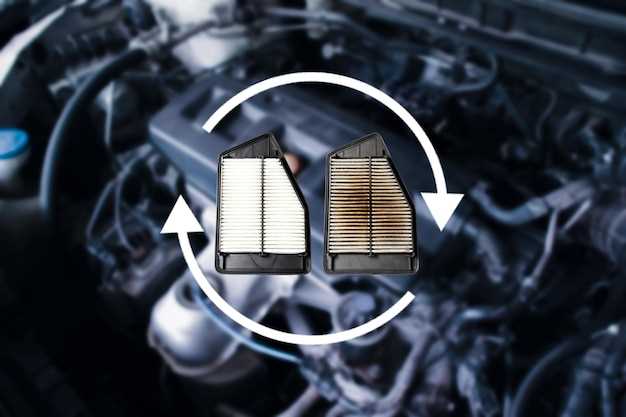
Next, filter replacements play a vital role. Diesel particulate filters (DPF) need to be monitored and replaced as necessary to prevent blockages, which can lead to increased emissions and engine strain. A clean DPF not only enhances emissions control but also contributes to better fuel economy.
Additionally, the condition of exhaust gas recirculation (EGR) valves must be checked periodically. These valves recirculate a portion of exhaust gases back into the engine intake to lower combustion temperatures and reduce NOx emissions. Any buildup of soot or carbon deposits can hinder their performance, leading to increased emissions and potential engine issues.
Regular diagnostic checks using appropriate software can identify any malfunctions in the emissions control system before they become serious problems. Monitoring the emission levels and system performance data helps technicians make informed decisions regarding maintenance and repairs.
Moreover, ensuring that fuel quality is maintained is essential. Low-quality diesel fuel can lead to increased emissions and may clog emissions systems. Using high-quality fuel helps maintain the integrity of the entire emissions control system.
Lastly, keeping the entire exhaust system in good condition, including pipes and connectors, is critical. Any leaks or damages can reduce the system’s efficacy and increase the chance of emissions violations, so regular inspections and repairs should not be overlooked.


