 Jeffrey Tondreau
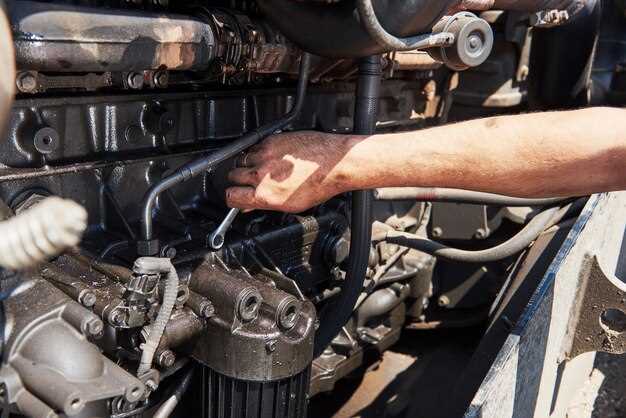
Purchasing a used diesel engine can be a daunting task, especially if you’re not familiar with the potential issues that may arise. A diesel engine, known for its durability and fuel efficiency, requires a careful inspection to ensure you are making a wise pre-purchase decision. Understanding the critical aspects to examine will help you avoid costly repairs down the road.
Before finalizing your purchase, it is essential to perform a thorough evaluation of the engine’s condition. This article will guide you through the key steps to check a diesel engine effectively. By assessing various components, such as the engine oil, fuel system, and overall performance, you can form a comprehensive view of the engine’s reliability.
In addition to the mechanical aspects, it’s crucial to look at the service history and maintenance records. These documents can provide insight into how well the engine has been cared for and whether it has undergone necessary repairs. By combining detailed inspections with a review of its history, you can ensure a more informed and confident acquisition of your next diesel engine.
Inspecting Engine Condition and Seals

When evaluating a diesel engine before purchase, a thorough inspection of its condition and seals is crucial. Begin by checking for any visible signs of wear or damage on the engine block. Look for rust, cracks, or corrosion, as these issues can indicate deeper mechanical problems.
Next, assess the seals and gaskets around the engine. Oil leaks are a common concern in diesel engines and can often stem from worn or damaged seals. Inspect the area around the oil pan, valve cover, and timing cover for any signs of leaking fluid. If you notice a significant buildup of oil dirt or residue, this may suggest a persistent leak that needs addressing.
Additionally, check the condition of the coolant and fuel lines. Look for any signs of deterioration or wear, as compromised lines can lead to costly repairs. Pay particular attention to connections where leaks are most likely to occur.
Moreover, take a moment to examine the engine’s overall cleanliness. A well-maintained diesel engine will typically have less grime and oil accumulation. Excessive buildup may point to a neglectful maintenance history, raising red flags about the engine’s overall health.
Finally, conducting a compression test can provide insights into the internal condition of the engine. Low compression readings may indicate potential issues with piston rings, cylinders, or valves. A comprehensive inspection of both the engine condition and seals will help you make an informed decision when considering the purchase of a diesel vehicle.
Assessing Fuel System Integrity and Performance
During a pre-purchase inspection of a diesel engine, evaluating the fuel system is crucial for ensuring reliable performance and longevity. The fuel system is responsible for delivering the right amount of fuel to the engine, and any issues can lead to decreased efficiency and costly repairs.
Start by examining the fuel tanks for signs of rust, corrosion, or contamination. Inspecting the fuel lines is equally important; look for leaks, cracks, or signs of wear. Any visible damage may indicate potential problems that could affect engine performance.
Next, check the fuel filters. A clogged or dirty filter can disrupt fuel flow, leading to poor engine performance. Replacing the filter is a straightforward task, but if it’s neglected, it could point to a lack of maintenance from the previous owner.
Also, assess the fuel injectors. These components are critical for the proper atomization of fuel into the combustion chamber. Look for any signs of leaks or excessive wear. Testing the injectors for proper spray pattern and delivery can help identify issues before making a purchase.
Finally, consider the overall condition of the fuel pump. A malfunctioning pump can lead to inadequate fuel supply and affect engine start-up and operation. Listen for unusual noises during engine operation, as this could indicate a failing pump.
In summary, thorough inspection of the fuel system during a pre-purchase assessment is essential. By identifying potential issues related to the integrity and performance of the fuel system, you can make a more informed decision and avoid costly repairs down the line.
Evaluating Engine Maintenance History and Documentation

When considering the purchase of a diesel engine, evaluating its maintenance history and documentation is crucial. A well-documented maintenance track record not only reflects the care given to the engine but also provides insights into potential future reliability.
Start by requesting the service records associated with the engine. Look for evidence of regular oil changes, fuel system cleanings, and inspection reports. Consistent maintenance indicates that previous owners prioritized keeping the engine in optimal working condition.
Pay attention to any major repairs or parts replacements documented. Significant repairs, such as engine overhauls or transmission work, should be assessed for quality. Ensure that original parts or reputable aftermarket components were used during these repairs, as this can affect the engine’s longevity.
Additionally, review the documentation for compliance with any manufacturer-recommended services. Adhering to a strict maintenance schedule is essential for diesel engines, as neglect can lead to costly issues down the road.
Ask for detailed invoices from service providers to verify that the maintenance tasks were indeed performed. This transparency can help you gauge the engine’s overall health and help you avoid potential pitfalls associated with poorly maintained engines.
Finally, consider reaching out to previous owners, if possible. Their insights can reveal the operating conditions and any recurring issues, providing a clearer picture of the engine’s performance history. In conclusion, a thorough inspection of maintenance documentation is a key step in ensuring you make an informed decision when purchasing a diesel engine.


